




Staple Making Machine: Staple Production Line Configuration Guide
Staple factories face several common production troubles.
Wire flattening precision often shifts. Wire splicing breaks production flow. Finished staples lack uniform size. Wire breaks trigger frequent unplanned stops.
A matched staple making machine production line fixes these industry issues. It meets ISO and EU machine safety standards for global hardware manufacturers.
1. Standard Staple Production Line Core Units
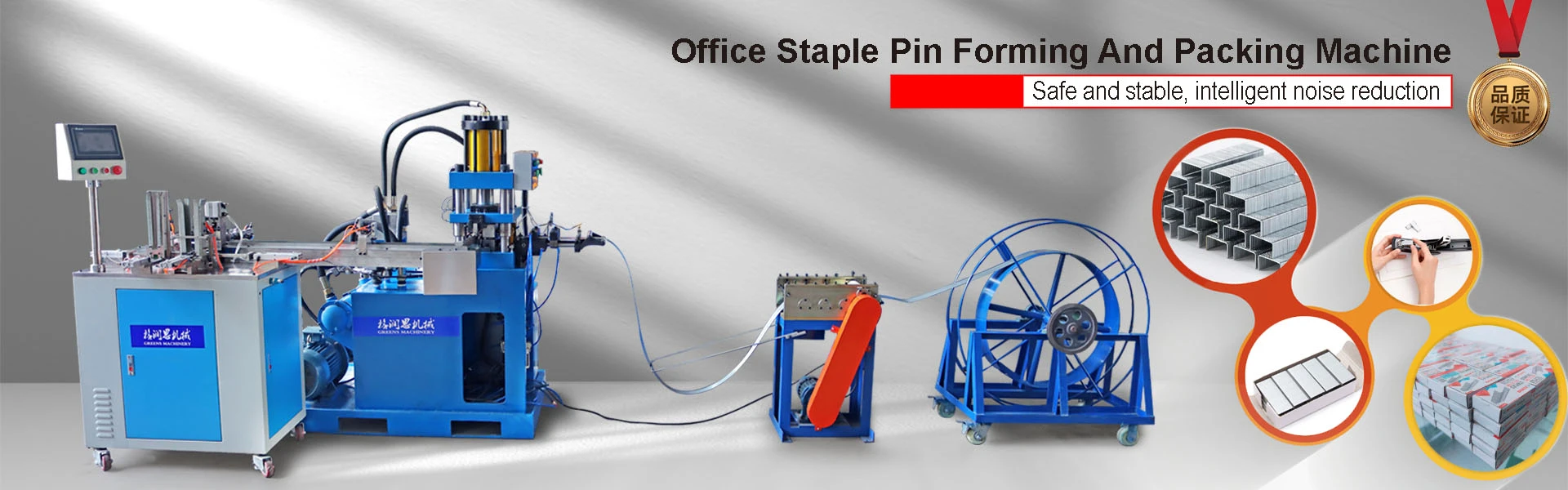
A full staple line covers 5 core steps. Steps: raw wire processing, wire flattening, staple forming, post-treatment, finished packing.
Matching staple making machine and auxiliary gear enables fully automatic unmanned work. Two widely used standard machines serve as matching references below.
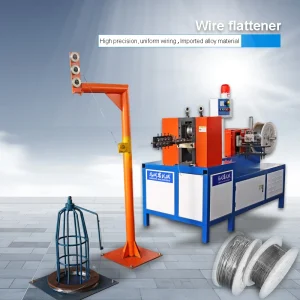
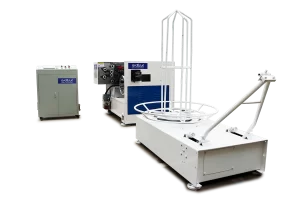
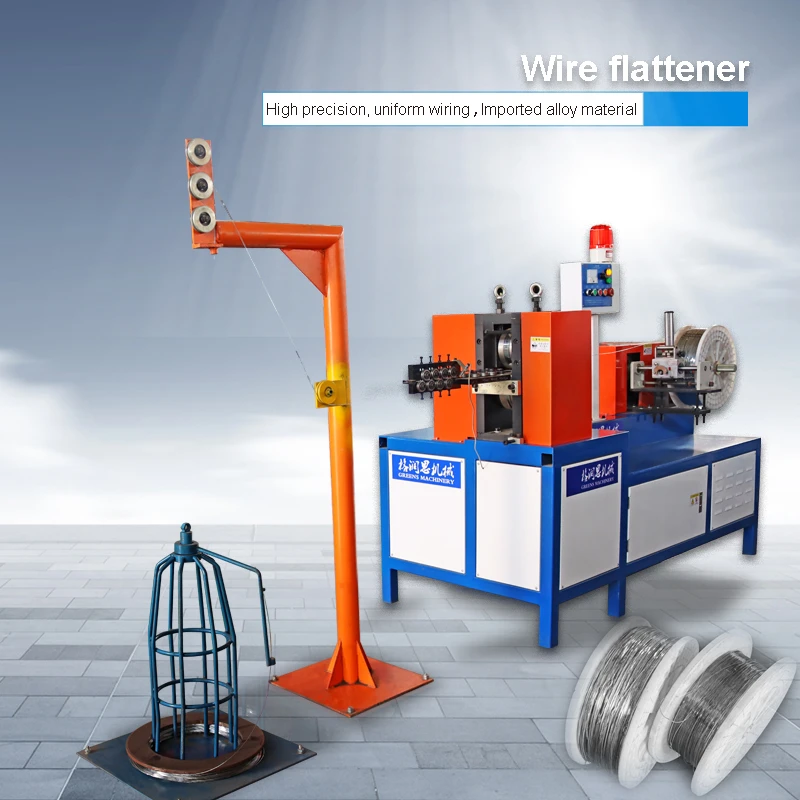
- Automatic Wire Flattening MachineReference model: Automatic Wire Flattening Machine
It works as front-end support for staple making machine.
Closed-loop variable frequency speed control comes standard. Flat wire thickness tolerance stays within ±0.02mm.
It fits office and furniture staple raw material processing standards.
Product photo reference:

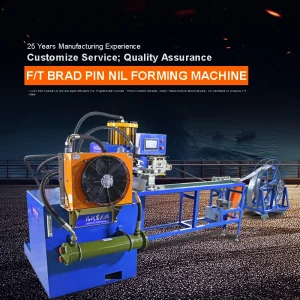
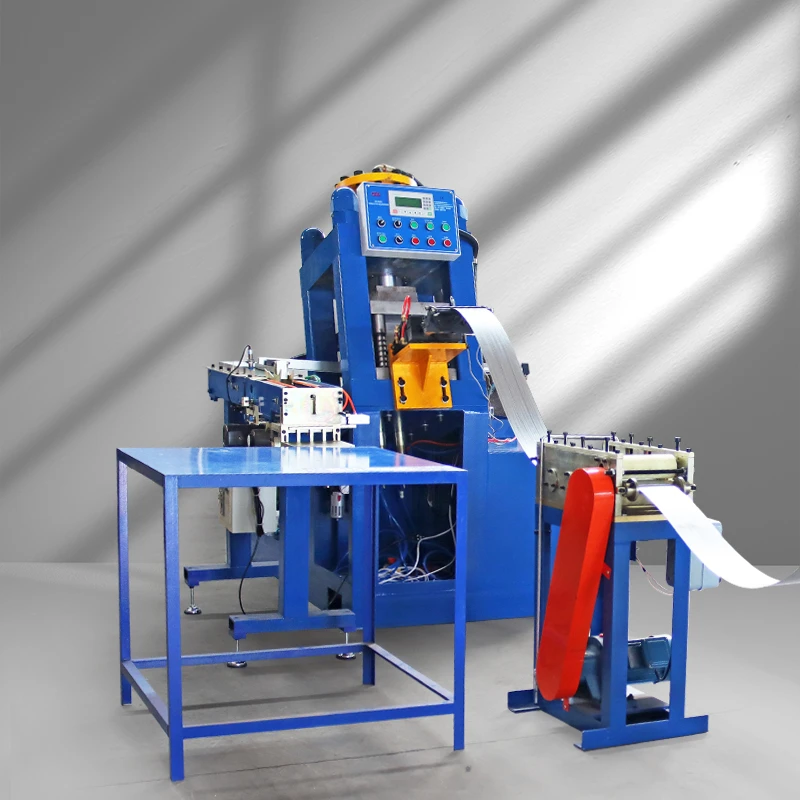
- Hydraulic Staple Forming MachineReference model: Hydraulic Staple Forming Machine
This is the core staple making machine of the whole line.
Full PLC automatic control runs the unit. Stable output hits 80–130 pieces per minute.
It forms N, K, J type staples in one single cycle.
Factories for packaging, woodwork and stationery hardware widely adopt this model.
Device display photo:
2. Industry Line Selection Rules & Standard Specs
Fastener factories pick staple making machines by recognized daily output tiers.
- Small workshop line, daily output ≤3 tons: Single wire flattening machine + single hydraulic staple forming machine. Simple pulley wire drawing machine feeds raw wire.
- Medium factory line, daily output 3–10 tons: LT water tank wire drawing & flattening integrated unit + dual-station staple forming machine. Add auto wire splicer as match.
- Large intelligent full-auto line, daily output ≥10 tons: Continuous galvanizing line + mesh belt heat treatment furnace + combined staple forming & packing machine. Add patented wire break detection unit (Patent ZL 2020 2 0245004.7) to cut raw material loss.
All mainstream staple making machine models hold EU CE certification.
They follow EN ISO 12100 mechanical safety and EN 60204 electrical safety rules.
Equipment passes Bureau Veritas and TÜV Rheinland on-site supplier audits. It meets entry standards for European and Southeast Asian hardware plants.
3. Real Production Benefits of Matched Staple Lines
Well-paired staple making machine and auxiliary gear brings measurable gains. A real Middle East factory case proves these improvements.
- Lower downtime and raw material waste. A medium fastener plant in the Middle East upgraded its staple line in 2024. It installed the patented wire break detection system. Before upgrade, wire breaks caused 2–3 unexpected stops every hour. After installation, sudden halts dropped sharply. Monthly steel wire waste fell nearly 17%. Valid production time rose clearly.
- Consistent finished staple size. Flattening and forming devices run synchronized frequency control. Staple dimension error stays inside national fastener tolerance limits.
- Full compliance for global export. CE-certified whole lines satisfy EU MD and LVD directives. Third-party audit reports support overseas full-line delivery projects.
- Cut labor cost. Combined forming and auto packing gear reduces work stations. One full line only needs 1 to 2 on-site operators.
4. Matching Tips for Post-Processing Gear
Factories select post-treatment units based on anti-rust requirements.
Barrel electro-galvanizing pickling line produces bright rust-proof staples.
Hexagonal barrel polisher clears burrs from finished products.
Auto weighing, counting and packing machine seals staples for storage and shipment.
Summary
Staple production line configuration focuses on proper staple making machine matching.
Match front and rear auxiliary units by factory output, target market and staple types.
Standardized, safety-certified full line solutions balance three key factors: production speed, raw material cost and export compliance.
This matching scheme is now the mainstream choice for staple hardware manufacturers worldwide.