





How to Reduce the Failure Rate of Nail Forming Machine
1. Common Root Causes of High Failure Rate of Nail Forming Equipment
Data from third-party mechanical testing institutions shows over 70% of unplanned shutdowns of nail forming machines originate from front-end wire processing defects, irregular maintenance and outdated control systems. According to EN ISO 12100 global machinery safety standard, stable raw material supply and predictive maintenance are two core measures to control equipment failure rate within industry acceptable range.
- Ununiform flat wire thickness and wire breakage during feeding, leading to jamming and mold damage
- Long-term wear of cutting blades without regular sharpening, resulting in irregular nail forming and machine overload
- Mismatched hydraulic pressure and production speed with wire specifications
- Lack of real-time wire fault early warning, minor wire defects develop into severe forming machine failures
2. Optimize Front Wire Processing to Eliminate Source Faults
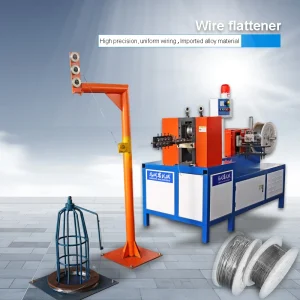
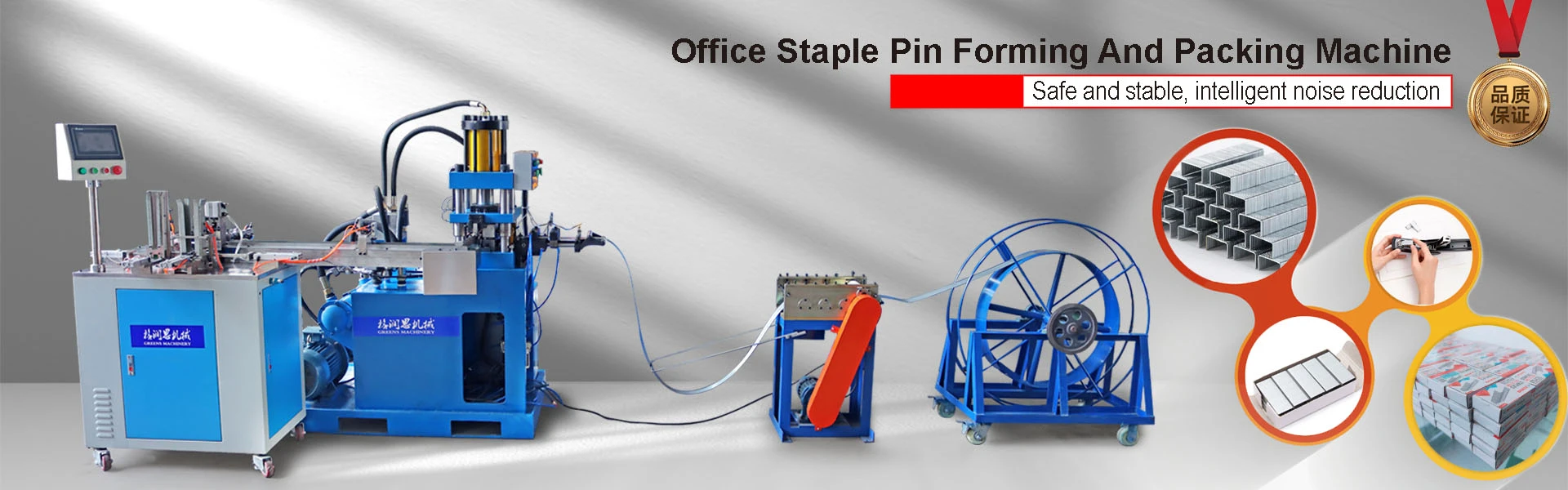
Most staple forming failures are caused by unstable flat wire raw materials. In mature staple production lines, manufacturers will configure wire flattening equipment before hydraulic staple forming machines to standardize wire thickness within 0.4mm-1.5mm, the universal parameter range recognized by fastener industry.
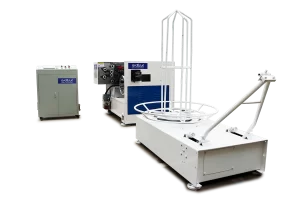
Automatic Wire Flattening Machine is a widely adopted pre-processing device in staple production lines. It adopts closed-loop stable speed control to produce flat wire with consistent thickness, which balances hydraulic force during forming and reduces nail head cracking and forming deformation faults by more than 40%.
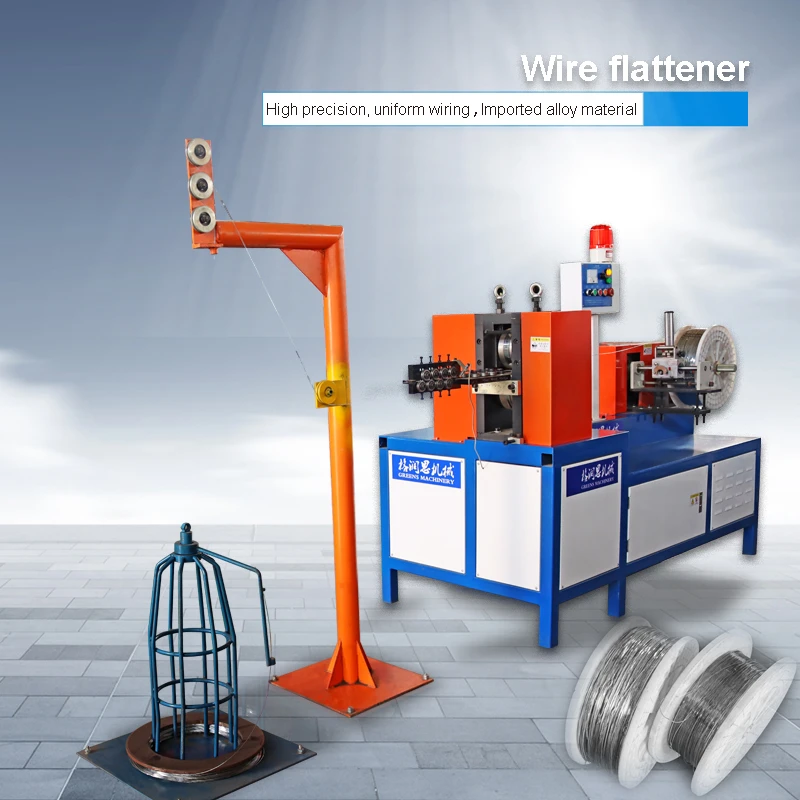
Many mainstream wire processing equipment is equipped with automatic wire breakage detection device with utility model patent (ZL 2020 2 0245004.7). Once wire edge breakage occurs, the system will automatically stop and alarm, avoiding broken wire entering forming station and scratching expensive forming molds, effectively lowering long-term failure frequency of nail forming machines.
3. Standardized Preventive Maintenance to Extend Service Life of Forming Core Parts
Industry operation statistics indicate that breakdown maintenance costs 3 to 4 times higher than regular preventive maintenance. Factories with two-shift continuous production need to establish fixed daily, weekly and monthly maintenance checklists.
Daily 15-minute routine inspection items
- Clean metal debris at wire inlet, forming die and cutting area
- Check lubrication status of hydraulic cylinder, sliding rail and feeding roller
- Adjust wire tension to avoid wire deviation during high-speed operation
Monthly deep maintenance focus
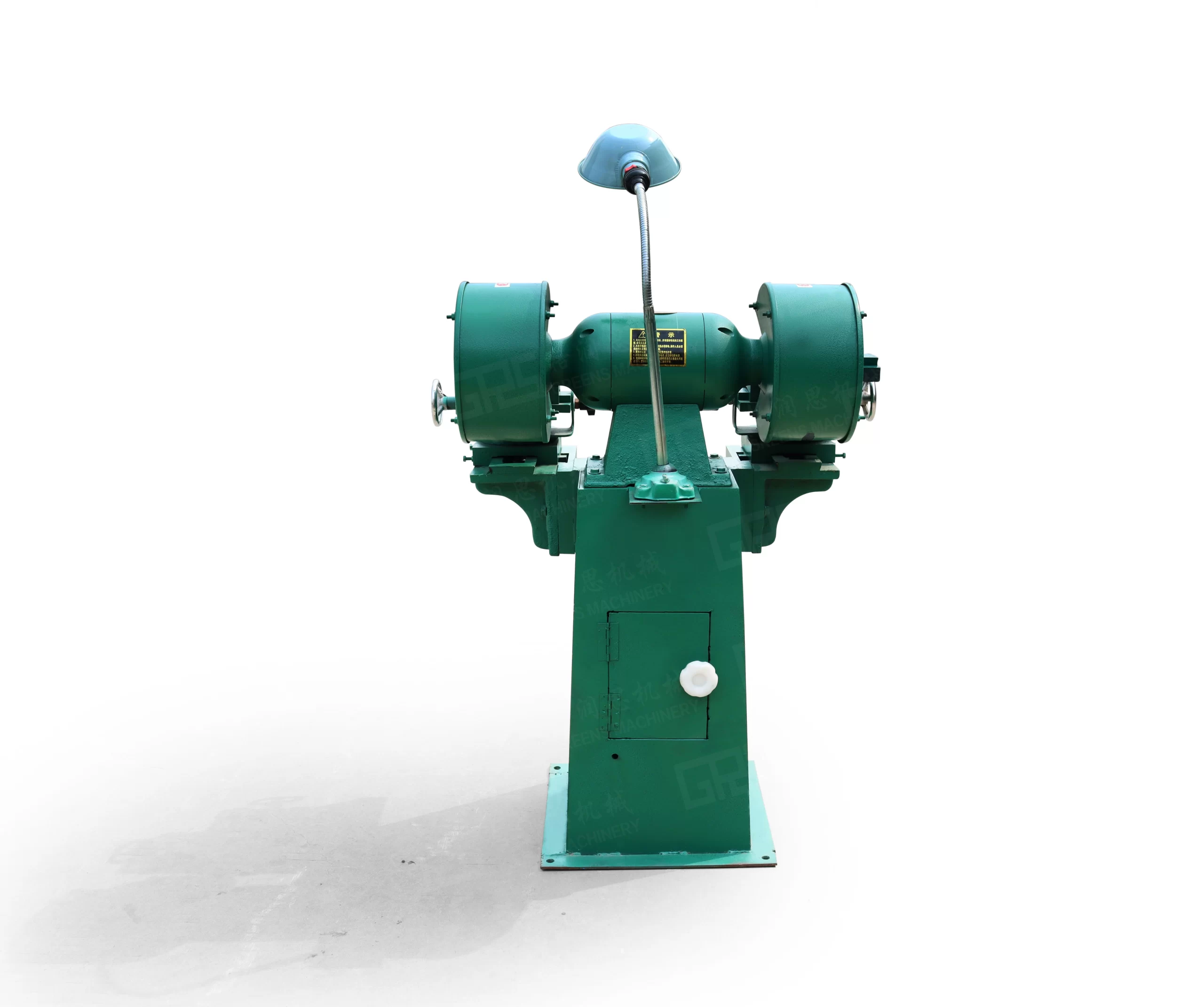
Nail cutting blades are vulnerable wearing parts of forming machines. Long-term unsharpened blades will cause uneven nail cutting and increase machine load. Most fastener manufacturers will match auxiliary sharpening equipment for regular blade polishing.
Double Head Nail Cutter Grinder Machine is a universal auxiliary maintenance device. It is equipped with adjustable fixture and working lamp, which can fully polish cutting blades to keep sharpness, effectively reducing abnormal shutdowns caused by blade wear.
4. Select PLC Intelligent Forming Machines Complying with International Standards
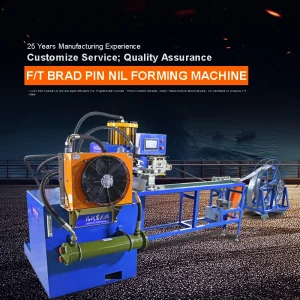
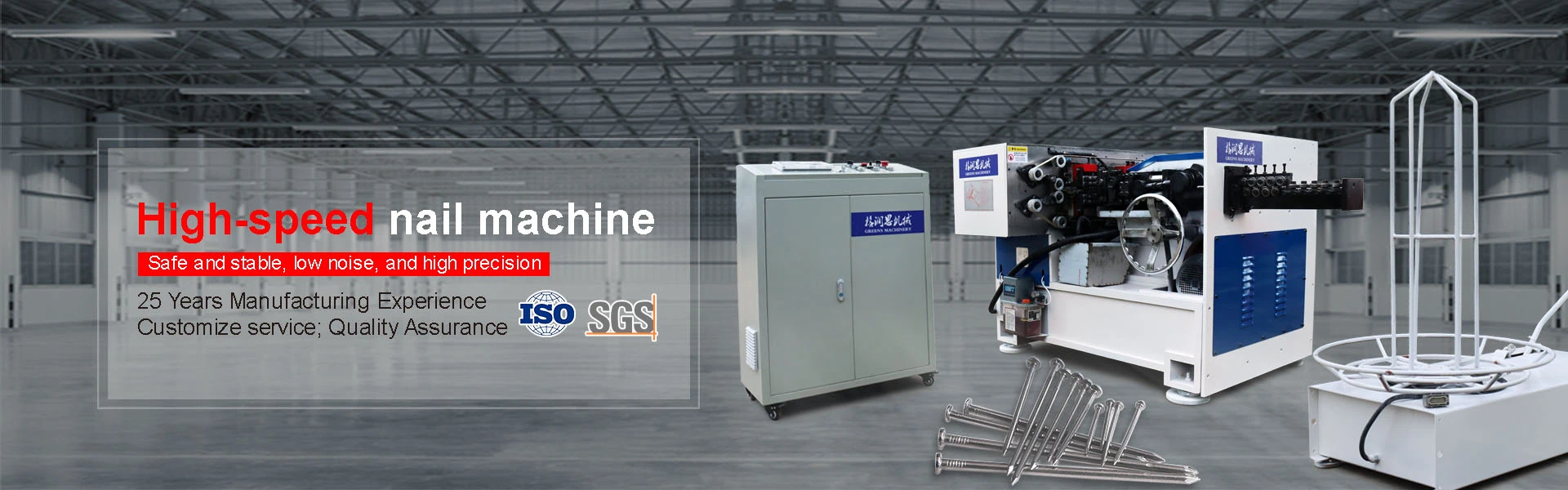
Traditional mechanical nail forming machines adopt fixed pressure and single speed, which are easy to produce overload faults when wire specifications change. Current mainstream hydraulic staple forming machines that pass EU CE certification comply with EN 60204-1 electrical safety standard, equipped with full PLC closed-loop control system.
- Stepless speed regulation range: 80-130 pcs/min, matching different staple production demands
- Built-in fault self-diagnosis module, recording hydraulic oil temperature, vibration and feeding blockage data for quick troubleshooting
- Hydraulic buffer shock absorption structure to reduce fatigue wear of frame and moving parts
According to BV and TÜV Rheinland third-party factory audit reports, PLC intelligent hydraulic forming machines can reduce unplanned downtime by over 35% compared with old mechanical models under equal production load.
5. Complete Full-line Supporting Equipment to Avoid Secondary Production Failures
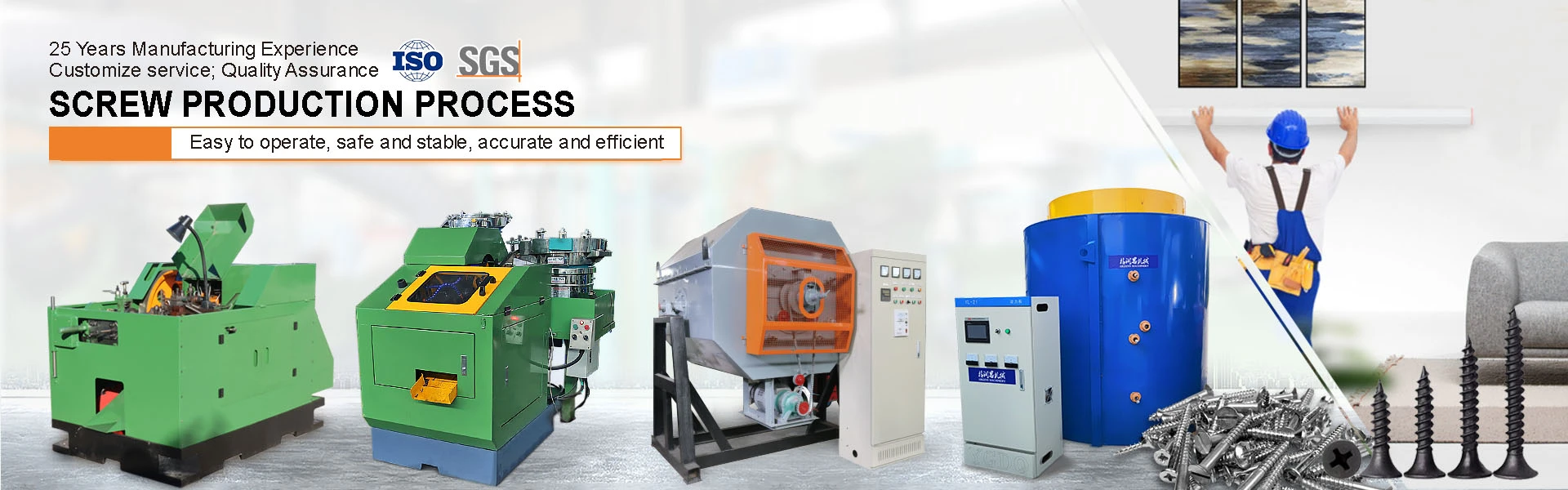
Unqualified finished nails with burrs and unstable hardness will circulate back to the production line and abrade forming molds. Standardized production lines are equipped with matched heat treatment furnaces and polishing machines to stabilize nail hardness and remove surface burrs, cutting secondary damage to nail forming machines.
6. Systematic Summary to Achieve Nail Forming Machine Failure Rate Reduction
Reducing the failure rate of nail forming machine is a systematic solution covering raw material pretreatment, equipment selection, daily maintenance and post-processing supporting facilities:
- Source control: Match stable wire flattening equipment and wire breakage real-time monitoring device to eliminate wire abnormality faults fundamentally
- Standardized selection: Adopt CE-certified PLC hydraulic forming machines conforming to EN ISO 12100 mechanical safety standard
- Daily management: Form complete preventive maintenance system, support blade sharpening auxiliary equipment to protect core forming components
- Full-line matching: Equip heat treatment and polishing supporting equipment to stabilize finished product quality and avoid secondary line faults
Fastener manufacturers producing staples, brad nails or coil nails can formulate targeted low-failure production schemes according to their own product categories, combining international mechanical standards and mature full-line matching experience to realize long-term stable production.