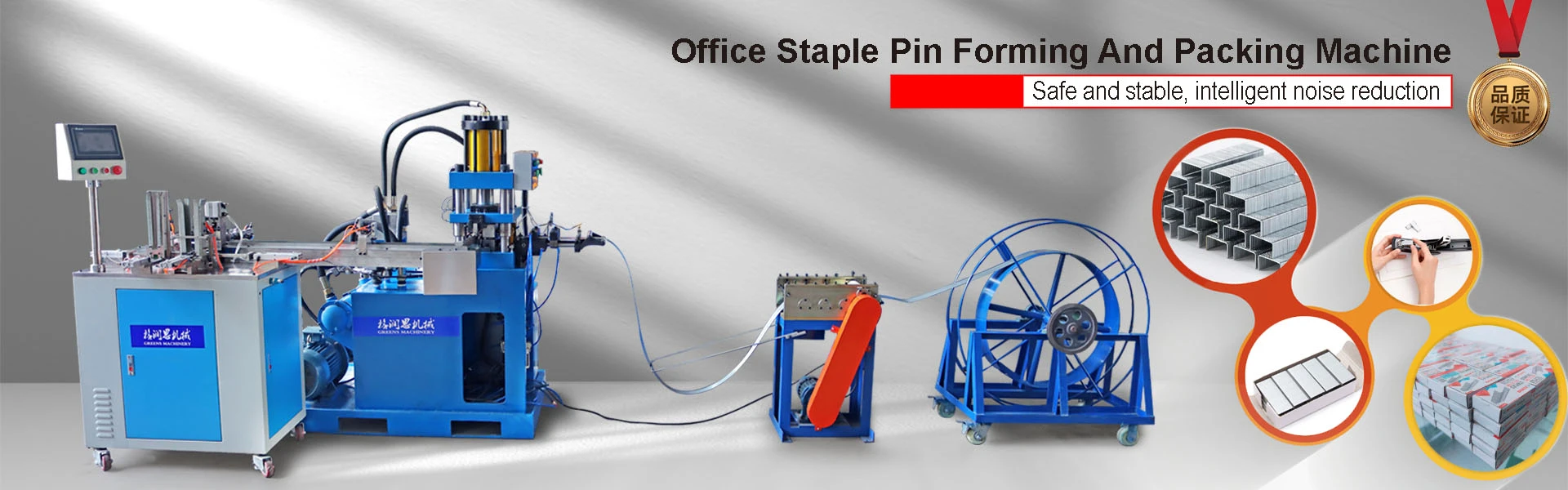
Brad Nail Making Machine: High Efficiency Brad Nail Production
Brad nails have become indispensable fasteners across furniture manufacturing, cabinetry, woodworking, and interior finishing industries. As demand for precision collated nails continues to rise, selecting the right brad nail making machine directly impacts production yield, material waste rates, and long-term operational costs. This guide examines the technical fundamentals, industry standards, and practical selection criteria for modern brad nail production equipment.
Understanding Brad Nail Manufacturing Processes
A complete brad nail production line typically involves several sequential stages: wire drawing, wire flattening, forming, collating, and packaging. Each stage requires calibrated equipment to maintain dimensional consistency and structural integrity across millions of units.
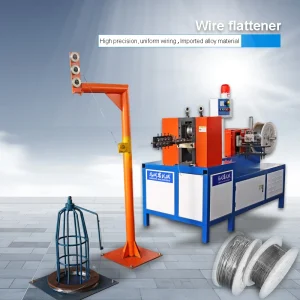
Wire preparation: Raw steel wire is drawn to precise diameters and flattened to specified cross-sections
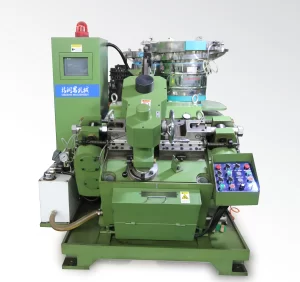
Forming stage: The wire is cut, headed, and shaped into individual brad nails at high cycle rates
Collation: Finished nails are aligned and bonded into strips compatible with pneumatic nail guns
Quality verification: Dimensional sampling, tensile testing, and collation strength checks
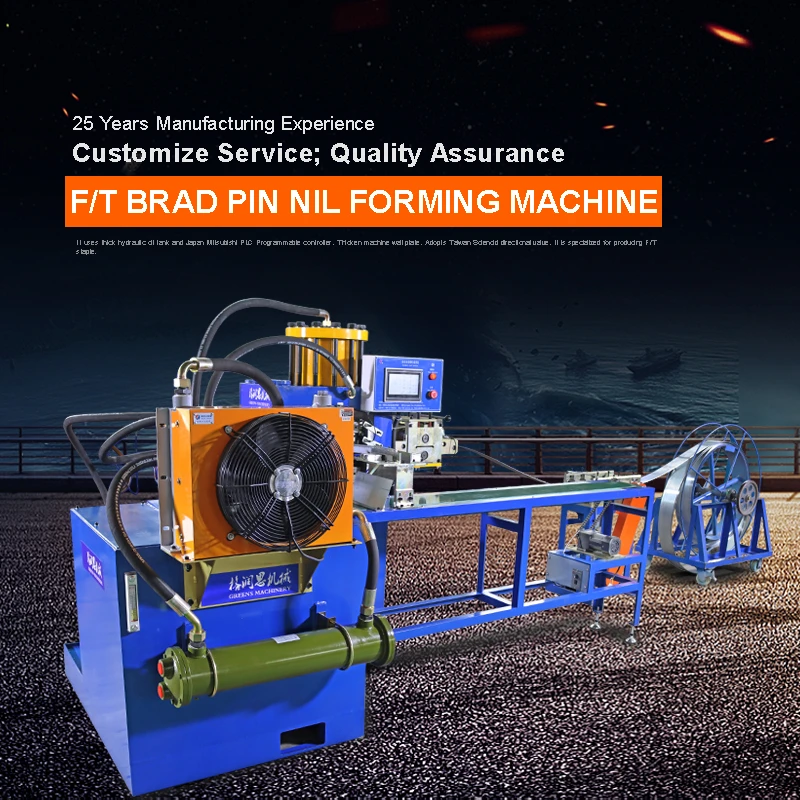
The forming machine itself represents the core bottleneck of any production line. Modern hydraulic and pneumatic systems operate at 90–170 strokes per minute, with premium PLC-controlled models maintaining consistent output across multi-shift operations.
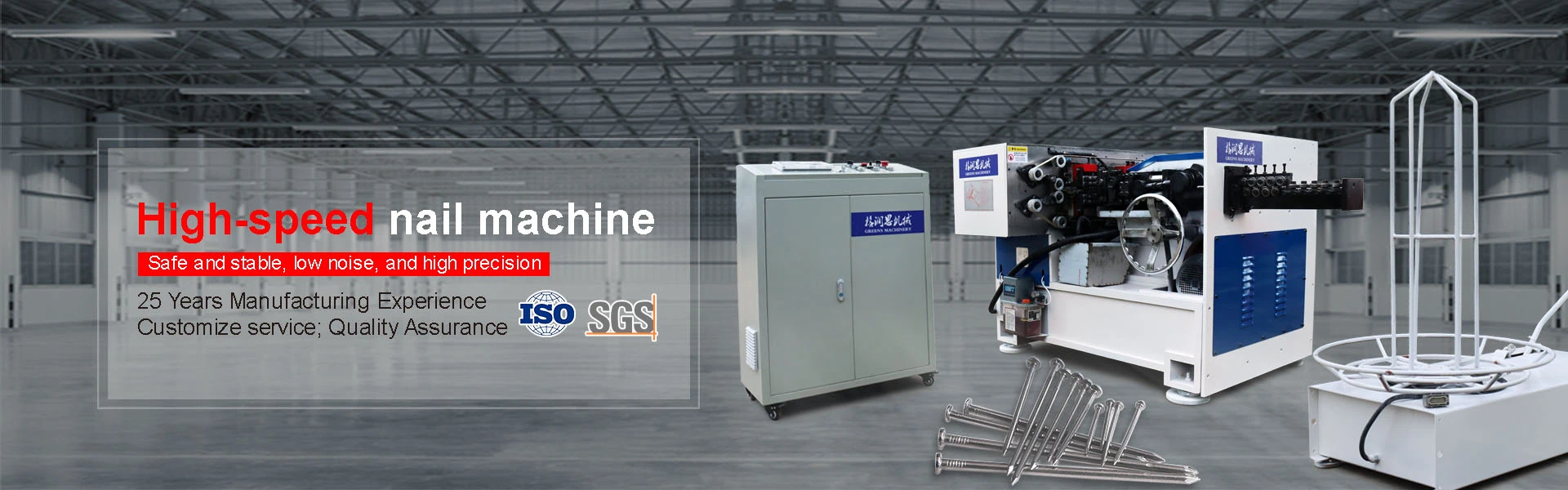
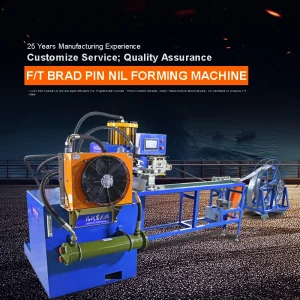
Industrial-grade hydraulic brad nail forming machine with PLC control system
Industry Standards and Compliance Considerations
When evaluating brad nail making equipment, compliance with internationally recognized safety and performance standards is a non-negotiable baseline. Machinery destined for EU markets must conform to EN ISO 12100 (general machinery safety) and EN 60204-1 (electrical safety), under the Machinery Directive 2006/42/EC and Low Voltage Directive.
Beyond regulatory requirements, reputable manufacturers implement ISO 9001 quality management systems and subject production equipment to third-party audits. Certification bodies such as Bureau Veritas and TÜV Rheinland conduct on-site assessments covering production capacity, quality control workflows, and export capabilities.
Equipment with verified CE marking and ISO-compliant electrical systems reduces installation risk and simplifies factory safety audits in most industrialized markets.
Common Production Line Pain Points
Operations managers working with collated nail production frequently encounter several recurring challenges that directly affect overall equipment effectiveness (OEE):
Wire breakage and unplanned downtime: Inconsistent wire tension or feed misalignment causes mid-run breaks, wasting material and requiring operator intervention
Dimensional variation: Worn cutting dies and forming punches produce nails outside tolerance ranges, leading to downstream nail gun jams
Collation bond inconsistency: Improper glue application or curing temperature fluctuations result in strips that break during shipping or use
High maintenance frequency: Machines without hardened tool steel components require frequent die replacement, increasing per-unit production cost
Advanced production lines address these issues through integrated wire breakage detection systems, automated lubrication cycles, and real-time process monitoring. Some manufacturers hold utility patents for specific detection mechanisms that trigger immediate machine shutdown when wire anomalies are detected, substantially reducing scrap rates.
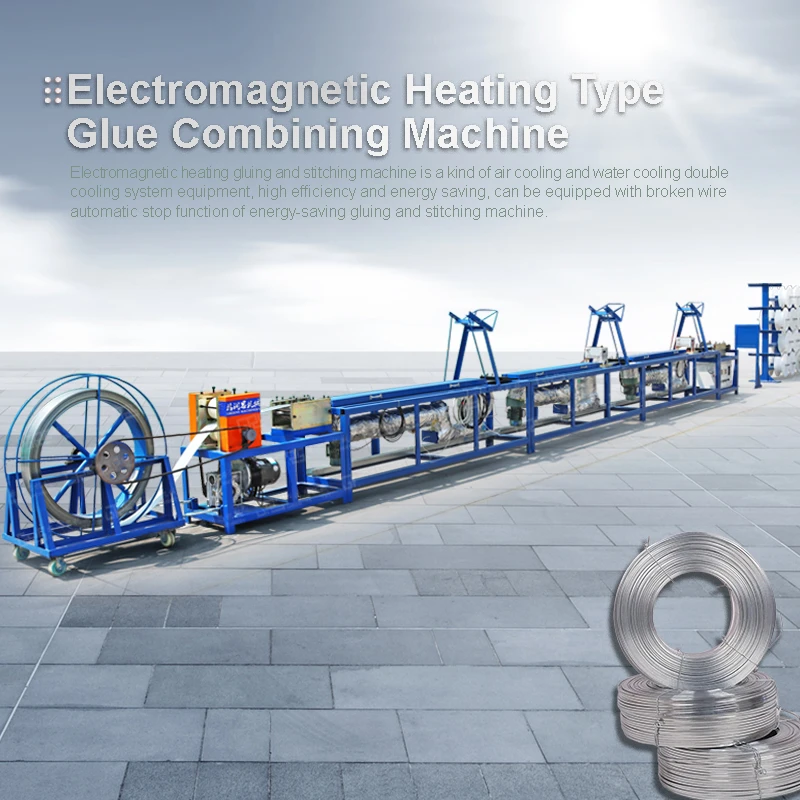
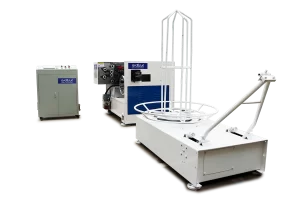
Electromagnetic heating wire combining machine for collated nail production lines
Technical Specifications: What the Numbers Mean
Understanding standard specification ranges helps buyers compare machines on an apples-to-apples basis. Typical parameters for industrial F/T brad nail forming equipment include:
Parameter
Standard Range
Notes
Motor Power
4.0 – 7.5 kW
Hydraulic models typically require higher capacity
Forming Speed
90 – 170 strokes/min
Varies by nail length and wire gauge
Wire Diameter
0.8 – 2.0 mm
Matches common 16–18 gauge brad nail sizes
Max Nail Length
Up to 50 mm
Determines compatible nail gun models
Machine Weight
1,200 – 1,700 kg
Heavier frames reduce vibration and improve precision
Control System
PLC with HMI interface
Enables parameter storage and fault diagnostics
It is worth noting that advertised maximum speeds often represent optimal conditions with short nail lengths. Production planners should calculate realistic throughput based on their specific product mix, accounting for changeover time between nail sizes and scheduled maintenance windows.
Selection Framework for Buyers
Facilities evaluating a brad nail making machine investment should structure their decision around four core dimensions:
Production volume requirements: Match machine cycle rate and duty rating to monthly output targets, including growth headroom
Product range flexibility: Determine how many nail sizes and types the line must support, and evaluate changeover complexity
After-sales support infrastructure: Verify availability of spare parts, technical documentation, and field service response times
Total cost of ownership: Factor in energy consumption, wear part replacement cycles, and expected machine service life
For facilities producing multiple collated nail types, investing in a complete integrated line — including wire combining equipment and flattening stations — often delivers better overall process consistency than sourcing individual machines from different suppliers.
Looking Ahead: Trends in Nail Manufacturing
The fastener manufacturing sector continues to evolve with broader industry trends. Vision-based inline inspection systems, IoT-enabled production monitoring, and automated packaging integration are becoming standard on higher-tier lines. Manufacturers with established R&D capabilities and a track record of patent development tend to adapt more quickly to these technology shifts.
For buyers, this means selecting equipment from suppliers with demonstrated engineering depth reduces the risk of investing in systems that will become technologically obsolete within a few years. A hydraulic brad nail forming machine built on a modular, upgradeable platform can accommodate future process improvements without full equipment replacement.