



Self Drilling Screw Making Machine: Standard Production Process & Neutral Sourcing Reference
Self-drilling screws are vital fasteners for steel roofing, curtain wall and light steel construction projects. The drilling performance and dimensional accuracy of finished screws directly affect construction efficiency on site. A reliable, high-yield self drilling screw production line lays the foundation for fastener factories to control production costs and stabilize product quality. Based on global fastener manufacturing standards, this article covers complete production workflows, core equipment technical specifications and supplier evaluation points to support production line planning and machinery procurement.
1. Standard Full Production Workflow of Self-Drilling Screws
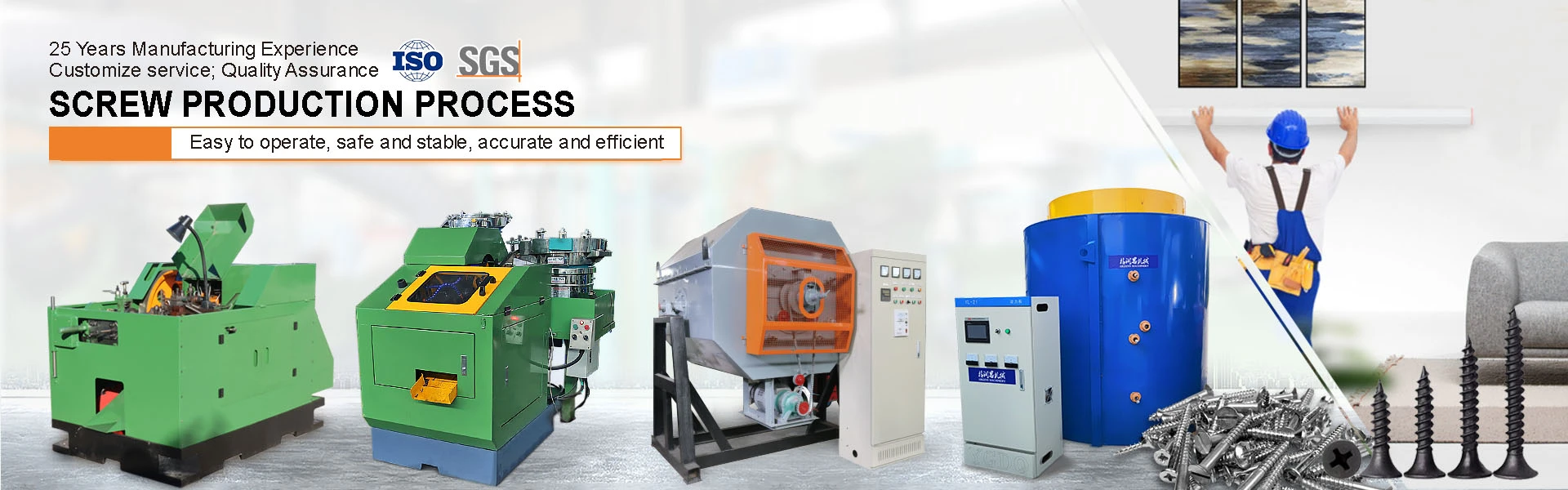
Global mainstream self-drilling screw manufacturing includes 8 linked working procedures. The coordination performance of each machine unit determines finished product yield and overall line efficiency, detailed as follows:
- Wire Drawing Preparation: Steel wire rods are drawn to target diameter via multi-pass drawing machines to unify wire roundness and surface finish for subsequent cold heading and thread rolling;
- Cold Heading Head Forming: 1-die-2-blow and multi-station cold formers shape hex flange heads with dimensional tolerance compliant with DIN 7504 and GB/T 15856;
- Thread Rolling Process: High-speed thread rolling machines form uniform thread profiles to prevent thread slipping and insufficient clamping force during installation;
- Drill Tail Molding: The unique procedure separating self-drilling screws from tapping screws; dedicated milling machines shape drill points, whose precision decides field drilling speed;
- Automatic Sealing Washer Assembly: Waterproof self-drilling screws require EPDM composite washers. Manual fitting limits output, so automated inserters are widely adopted in mass & export production lines;
- Heat Treatment & Tempering: Continuous mesh belt furnaces carry out quenching and tempering to stabilize screw hardness and avoid drill tip breakage;
- Anti-Corrosion Surface Treatment: Barrel electro galvanizing and hot-dip galvanizing are two mainstream processes to deliver outdoor rust resistance;
- Automatic Finished Product Packaging: Weighing & counting packers provide standardized packaging for factory storage and global bulk shipment.
2. Core Production Equipment & Industry Reference Models
Drill tail forming and washer assembly are the two most customized links with frequent daily malfunctions. Machinery manufacturers worldwide have launched standardized mature models, two widely used reference machines are listed below for sourcing comparison:
1. Automatic Tail Cutting Forming Machine for Self-Drilling Screws
The milling precision of drill tips is a core quality indicator for self-drilling screws. Insufficient precision causes eccentric or dull drill points, which negatively impacts end-user construction experience.
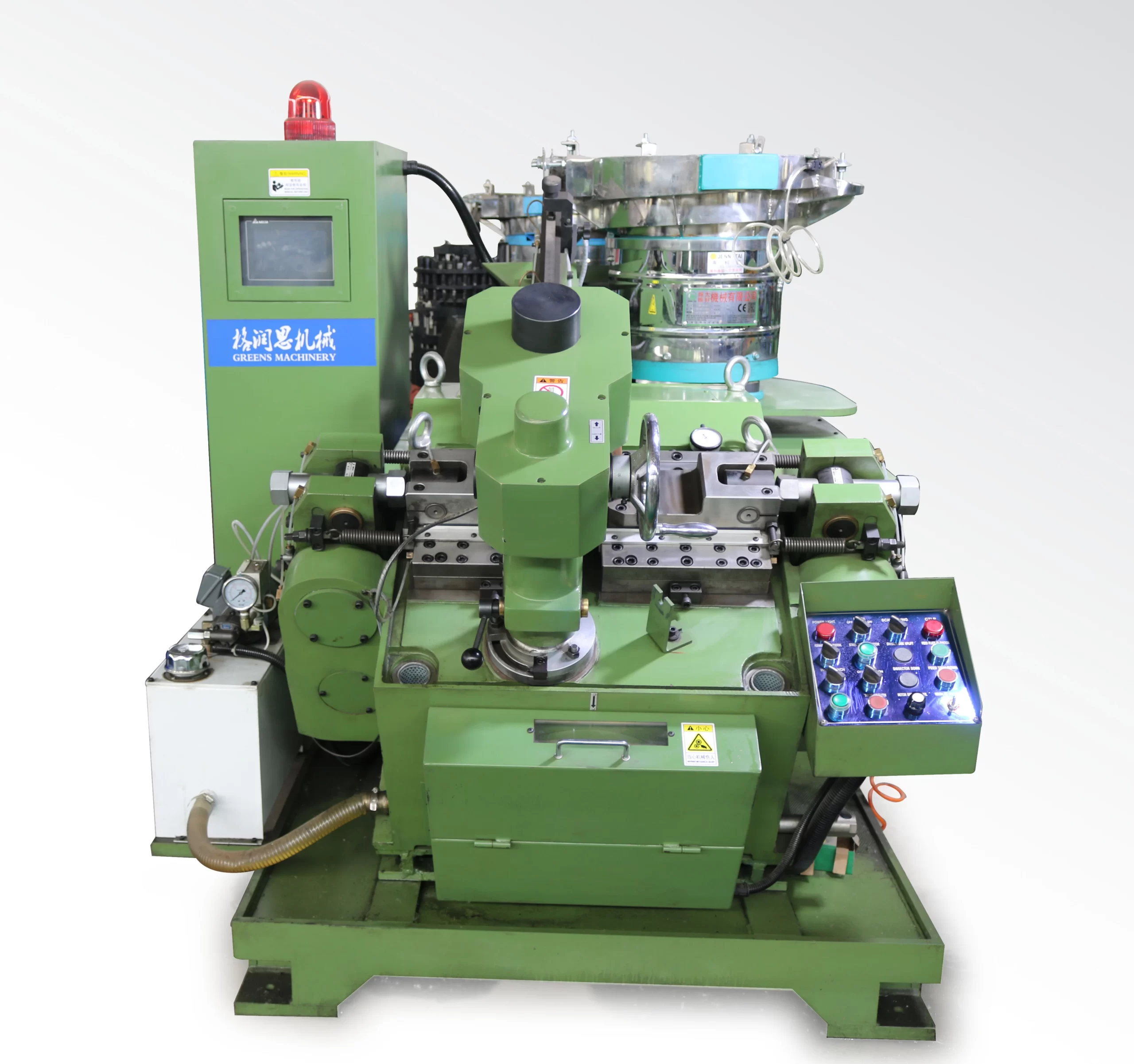
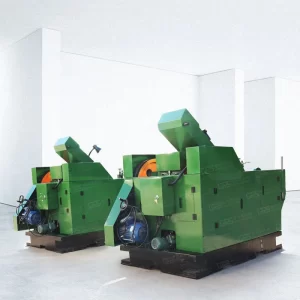
Standard commercial models including the automatic self drilling screw tail cutting forming machine adopt integrated PLC & frequency conversion control matched with vibratory bowl feeding. It supports all mainstream ST3.5 to ST6.3 self-drilling screw sizes. Equipped with hard alloy milling cutters, the machine maintains consistent drill point geometry within standard tolerance under long continuous operation, suitable for small, medium and large fastener manufacturers.
2. Automatic Washer Insert Assembling Machine for Hex Flange Self-Drilling Screws
Self-drilling screws with waterproof sealing washers dominate European and American construction markets. Manual washer fitting leads to missing gaskets, misalignment and limited throughput, making automated inserters standard auxiliary machines for export-focused factories.
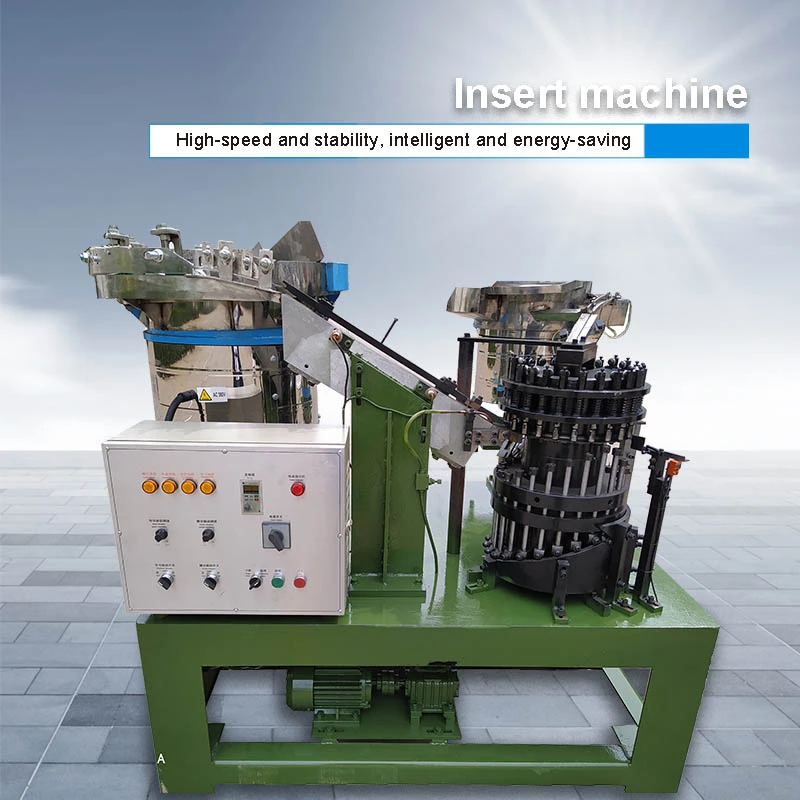
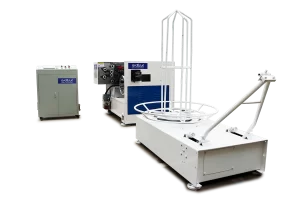
The self drilling screw washer insert assembling machine is a universal auxiliary unit for fastener production. It synchronizes washer feeding and screw positioning precisely, compatible with rubber and composite waterproof gaskets. With low operating noise and stable assembly yield, it can run in linkage with high-speed drill tail forming machines to cut labor cost and upgrade overall line automation.
3. Universal Technical Parameter Benchmarks for Equipment Sourcing
Buyers can compare different machines against the below standard parameter ranges during evaluation. Any severe deviation requires extra inspection on equipment stability and processing precision:
- Applicable wire diameter: Φ3.5mm–Φ6.5mm, covering all mainstream ST series self-drilling screws;
- Single-process output: 80–150 pieces per minute for drill tail machines, adjusted according to screw size;
- Standard control system: PLC + frequency inverter with parameter storage and auto fault alarm for easy daily maintenance;
- Main motor power range: 3–5.5kW for drill tail forming machines to sustain long-term high-speed operation;
- Recommended machine frame: Cast iron base is superior to welded steel frames to reduce vibration and dimensional deformation during continuous production.
4. Four Key Dimensions to Evaluate Equipment Suppliers
Fastener complete production lines require long procurement cycles and high post-sales debugging costs. Price alone cannot reflect the full value of machinery. Purchasers can assess suppliers comprehensively from four angles:
1. Long-Term Industry Practical Experience
Wire forming machinery involves complex R&D and on-site debugging. Manufacturers with over 20 years of specialized industry experience deliver mature solutions to common production issues such as wire breakage and dimensional drift. Some R&D-focused factories develop proprietary real-time wire break detection patents to cut raw material waste and improve line intelligence.
2. International Safety & Quality Compliance Certifications
Machinery exported to global markets requires EU CE certification, complying with EN ISO 12100 machinery safety and EN 60204 electrical safety standards to meet EU MD Machinery Directive and LVD Low Voltage Directive. Manufacturers with certified ISO9001 quality management systems and complete pre-delivery testing ensure smooth safety acceptance at overseas factories.
3. Third-Party On-Site Audit Credentials
On-site supplier assessment reports issued by Bureau Veritas (BV) and TÜV Rheinland are widely recognized by global buyers. Audits cover production capacity, R&D workshops, QC workflows and export delivery records, helping buyers distinguish real manufacturers from pure trading companies and reduce procurement risks.
4. Full Turnkey Line Delivery & Commissioning Capacity
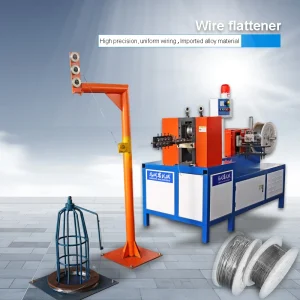
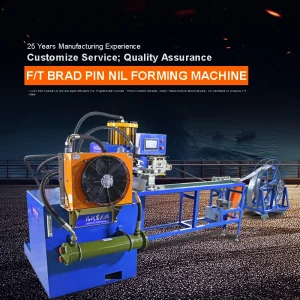
A full self-drilling screw line consists of wire drawing, cold heading, thread rolling, drill tail forming, heat treatment and packaging machines. Suppliers capable of full-line layout and linkage debugging eliminate parameter mismatch and cross-equipment malfunctions, lowering communication and after-sales costs for fastener factories.
Conclusion: Core Principles of Production Line Equipment Sourcing
Self-drilling screw manufacturing is multi-process precision machining. Machinery selection should not rely solely on upfront purchase price. Product specifications, daily output targets and compliance requirements of target export markets must all be considered. It is recommended to cooperate with manufacturers holding complete international certifications, verified mass-production cases and third-party audit records, to lower long-term operational risks related to production stability, finished product yield and cross-border market adaptability.